Dichloro 5 5 DimethylHydantoin factory Global Significance and Operational Excellence

0%

Table of Contents

Dichloro 5 5 DimethylHydantoin factory plays a crucial role in modern water treatment and sanitation, ensuring the safe and reliable disinfection of water sources globally. The production and distribution of this chemical compound are vital for public health, impacting everything from drinking water safety to the prevention of waterborne diseases. A robust and efficient Dichloro 5 5 DimethylHydantoin factory network is, therefore, essential for maintaining societal wellbeing.

The global demand for effective water purification solutions is steadily increasing, driven by population growth, urbanization, and increasing environmental concerns. A reliable Dichloro 5 5 DimethylHydantoin factory can address these challenges by providing a consistent supply of high-quality disinfectant. Understanding the intricacies of production, quality control, and distribution is paramount for meeting this demand and ensuring accessibility to safe water for all.

Investing in advanced Dichloro 5 5 DimethylHydantoin factory technologies and sustainable manufacturing practices is not only environmentally responsible but also economically beneficial. Optimized production processes can lead to reduced costs, increased efficiency, and a more competitive market position, ultimately contributing to a more secure and sustainable water future.
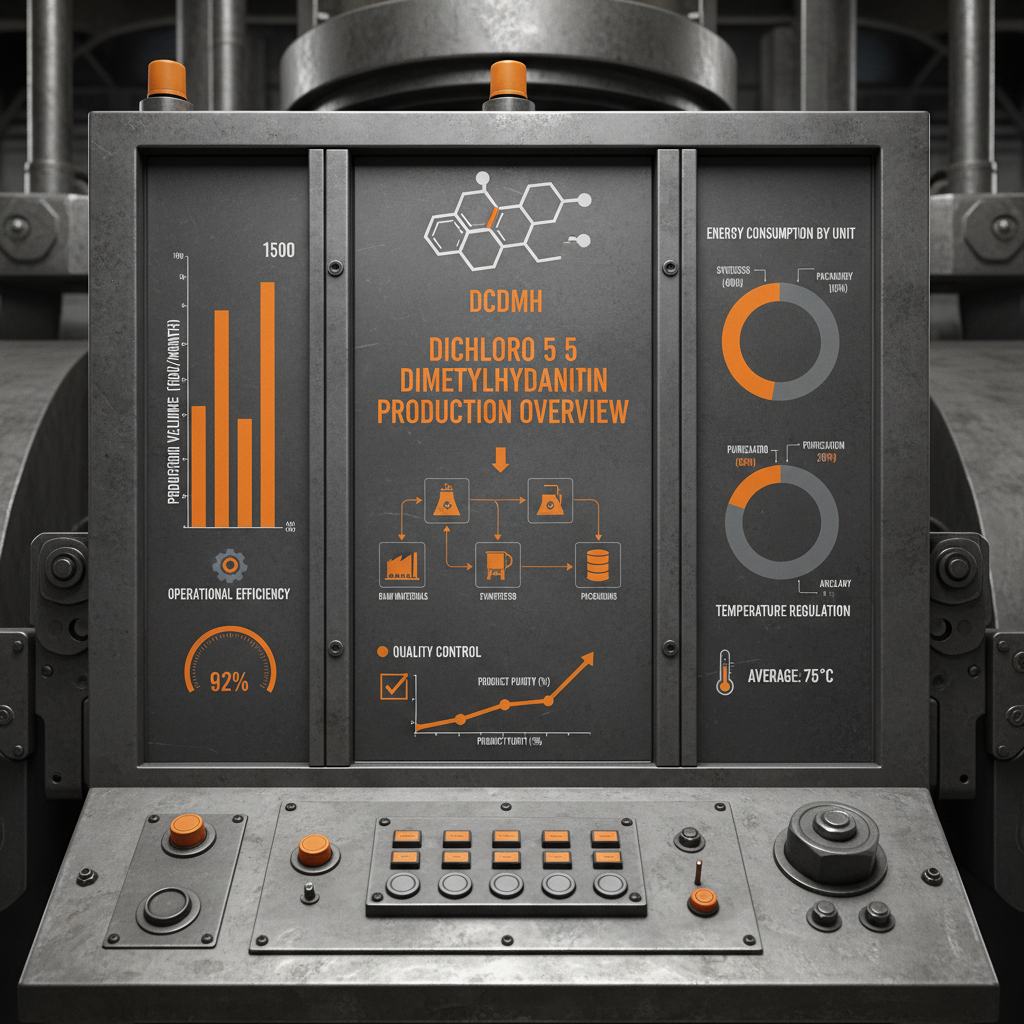
Dichloro 5 5 DimethylHydantoin factory

The Global Significance of Dichloro 5 5 DimethylHydantoin factory

Dichloro 5 5 DimethylHydantoin factory

The global importance of a reliable Dichloro 5 5 DimethylHydantoin factory stems from the critical need for safe and effective water disinfection. According to the World Health Organization (WHO), approximately 2.2 billion people lack access to safely managed drinking water services. Dichloro 5 5 DimethylHydantoin, as a powerful disinfectant, plays a key role in bridging this gap, particularly in areas lacking advanced water treatment infrastructure. Dichloro 5 5 DimethylHydantoin factory production is directly linked to achieving Sustainable Development Goal 6: Clean Water and Sanitation.

The demand for Dichloro 5 5 DimethylHydantoin is not limited to municipal water treatment; it extends to industrial applications, swimming pool sanitation, and even emergency disinfection in disaster relief scenarios. The need for a consistent supply chain and high-quality production standards are paramount. A strategically located and efficient Dichloro 5 5 DimethylHydantoin factory can significantly contribute to global public health and economic stability.

Defining Dichloro 5 5 DimethylHydantoin factory

A Dichloro 5 5 DimethylHydantoin factory is a facility dedicated to the manufacturing of Dichloro 5 5 DimethylHydantoin (DCDMH), a chlorinated hydantoin commonly used as a disinfectant, biocide, and algicide. This complex chemical production requires precise control of reaction conditions, careful handling of hazardous materials, and rigorous quality control measures to ensure a consistently pure and effective product.

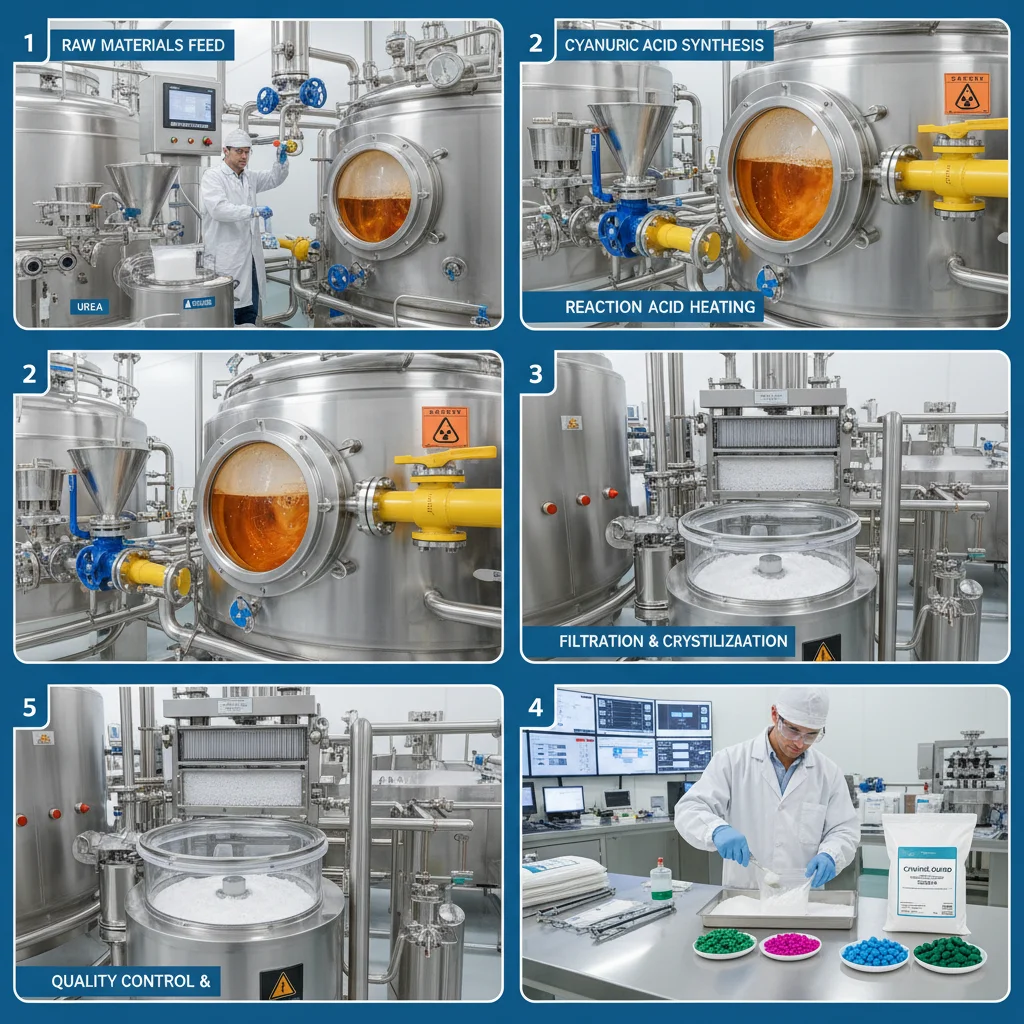
The core process involves the chlorination of 5,5-Dimethylhydantoin, often using chlorine gas. Modern DCDMH factories employ advanced process control systems to optimize yield, minimize waste, and adhere to stringent safety regulations. The resulting DCDMH is then formulated into various forms – granules, tablets, or powders – depending on the intended application.

Its connection to modern industry and humanitarian needs is undeniable. DCDMH’s effectiveness against a broad spectrum of microorganisms, coupled with its relative stability and ease of handling, makes it an indispensable component of water purification systems worldwide, from large-scale municipal facilities to portable water purification kits for disaster relief.

Core Components of a Successful Dichloro 5 5 DimethylHydantoin factory

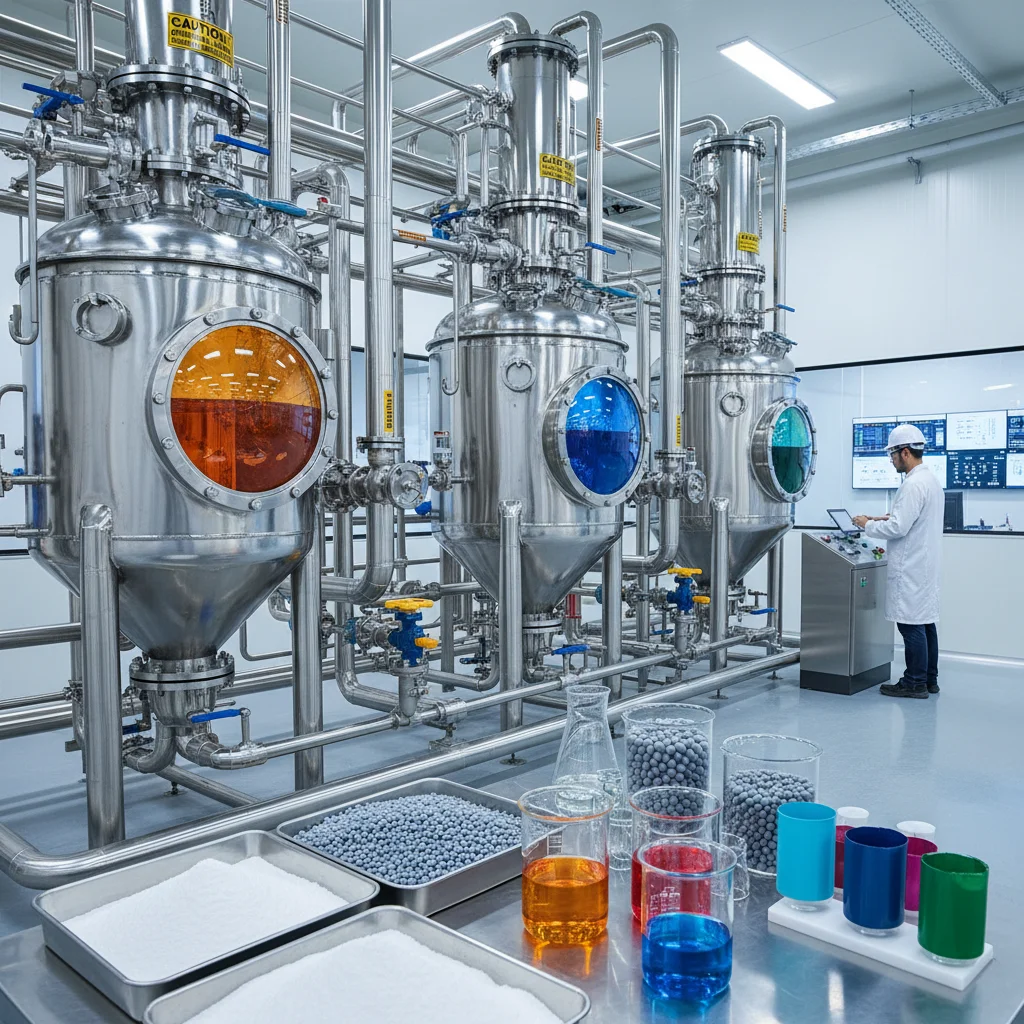
A successful Dichloro 5 5 DimethylHydantoin factory hinges on several key components. First, a robust and reliable supply chain for raw materials – primarily 5,5-Dimethylhydantoin and chlorine – is critical. Second, state-of-the-art manufacturing equipment, including reactors, chlorination systems, and drying/granulation units, ensures efficient production and consistent product quality.

Third, a highly skilled and trained workforce, adept at chemical processing, quality control, and safety protocols, is paramount. Fourth, a comprehensive quality assurance system, incorporating rigorous testing and analysis at every stage of production, guarantees adherence to international standards. Finally, a commitment to environmental responsibility, including waste management and pollution control, is essential for sustainable operation.

These components aren't isolated; they’re interconnected. Investing in employee training improves operational efficiency, while implementing robust quality control measures reduces waste and enhances product reliability. A truly successful Dichloro 5 5 DimethylHydantoin factory optimizes these factors for maximum performance and long-term sustainability.

Key Operational Factors in Dichloro 5 5 DimethylHydantoin factory

Operational efficiency within a Dichloro 5 5 DimethylHydantoin factory relies heavily on precise process control. Maintaining optimal temperature, pressure, and chlorine feed rates are vital for maximizing yield and minimizing the formation of unwanted byproducts. Accurate monitoring and adjustment of these parameters, often automated through advanced control systems, are crucial.

Dichloro 5 5 DimethylHydantoin factory Process Efficiency Comparison

Global Applications and Industry Impact

The applications of Dichloro 5 5 DimethylHydantoin are widespread, impacting numerous industries. Primarily, it's vital in municipal water treatment plants, ensuring potable water supplies for millions. Beyond this, it’s crucial for disinfecting swimming pool water, preventing the spread of waterborne diseases in recreational facilities. In post-disaster relief operations, portable DCDMH-based water purification systems provide immediate access to safe drinking water.

Industrially, DCDMH is utilized in cooling tower water treatment to prevent biofouling and corrosion. The pulp and paper industry leverages its biocidal properties to control microbial growth during paper manufacturing. Moreover, DCDMH sees application in the agricultural sector for disinfecting irrigation water, minimizing crop diseases.

Advantages and Long-Term Value Proposition

Investing in a high-quality Dichloro 5 5 DimethylHydantoin factory delivers significant long-term advantages. Cost-effectiveness is paramount, as efficient production processes minimize waste and optimize resource utilization. Sustainability is enhanced through responsible waste management and reduced environmental impact. The consistent supply of a crucial disinfectant ensures public health security.

Beyond these tangible benefits, there’s a strong value proposition built on reliability and trust. A reputable Dichloro 5 5 DimethylHydantoin factory provides a consistent, high-quality product, instilling confidence in water treatment operators and public health officials. This trust translates into safer communities and a more sustainable future.

Future Trends and Technological Advancements

The future of Dichloro 5 5 DimethylHydantoin factory production is poised for innovation. The integration of digital technologies, such as advanced process control systems and predictive maintenance, will optimize efficiency and reduce downtime. Green chemistry initiatives, focusing on sustainable raw material sourcing and waste reduction, will become increasingly important.

Automation of key processes, including material handling and packaging, will improve operational safety and reduce labor costs. Research into alternative chlorination methods, aiming for higher yields and lower environmental impact, is also underway. These advancements will position Dichloro 5 5 DimethylHydantoin factories for continued success in a rapidly evolving landscape.

Summary of Key Factors Influencing Dichloro 5 5 DimethylHydantoin factory Performance

Raw Material Quality Process Control Accuracy Waste Management Efficiency Product Purity & Stability
High Excellent Optimized 99.5%
Medium Good Moderate 98.0%
Low Fair Basic 95.0%
High Good Optimized 99.0%
Medium Excellent Moderate 98.5%
High Fair Basic 96.0%

FAQS

What are the key safety considerations when operating a Dichloro 5 5 DimethylHydantoin factory?

Operating a Dichloro 5 5 DimethylHydantoin factory demands stringent safety protocols due to the handling of hazardous chemicals like chlorine. Essential considerations include comprehensive worker training in chemical handling, personal protective equipment (PPE) usage, leak detection and emergency response systems, and adherence to local and international safety regulations. Proper ventilation, regular equipment maintenance, and robust containment measures are also vital to prevent accidents and ensure a safe working environment.

How does quality control impact the final product of a Dichloro 5 5 DimethylHydantoin factory?

Quality control is paramount. Strict analysis throughout the production process – from raw material testing to final product verification – ensures the DCDMH meets stringent purity standards (typically >98%). Impurities can reduce disinfection effectiveness and pose health risks. Accurate monitoring of chlorine content, moisture levels, and particle size distribution are critical. A robust quality control system safeguards product efficacy and maintains customer trust.

What environmental regulations typically govern Dichloro 5 5 DimethylHydantoin factory operations?

Dichloro 5 5 DimethylHydantoin factories are subject to environmental regulations regarding wastewater discharge, air emissions, and hazardous waste management. Regulations often dictate limits on chlorine discharge, require the treatment of process wastewater, and mandate responsible disposal of chemical waste. Compliance with environmental standards is crucial for sustainable operation and maintaining a positive public image. ISO 14001 certification demonstrates a commitment to environmental management.

What are the common challenges in maintaining a consistent supply of raw materials for a DCDMH factory?

Maintaining a consistent raw material supply, particularly 5,5-Dimethylhydantoin and chlorine, can be challenging due to market fluctuations, geopolitical factors, and potential disruptions in the supply chain. Strategies for mitigating these risks include establishing long-term contracts with multiple suppliers, diversifying sourcing locations, and maintaining sufficient inventory levels to buffer against unexpected disruptions. Careful supply chain management is crucial for uninterrupted production.

How do process automation technologies improve efficiency within a Dichloro 5 5 DimethylHydantoin factory?

Process automation significantly enhances efficiency by optimizing reaction conditions, reducing human error, and minimizing waste. Automated control systems precisely regulate temperature, pressure, and chemical feed rates, maximizing yield and ensuring consistent product quality. Robotic systems can automate material handling and packaging, improving safety and reducing labor costs. Data analytics provide insights for continuous process improvement.

What is the typical shelf life of Dichloro 5 5 DimethylHydantoin produced in a factory setting?

The shelf life of Dichloro 5 5 DimethylHydantoin, when properly stored, is typically two to five years. However, this can vary depending on packaging, storage conditions (temperature, humidity, and exposure to sunlight), and the specific formulation. Proper storage in a cool, dry, and well-ventilated area, away from direct sunlight and incompatible materials, is crucial to maintaining product stability and efficacy over its intended shelf life.

Conclusion

In conclusion, a robust and efficiently operated Dichloro 5 5 DimethylHydantoin factory is fundamental to ensuring global access to safe and clean water. From its critical role in public health and sanitation to its diverse industrial applications, DCDMH remains an indispensable disinfectant. Investing in advanced technologies, sustainable practices, and a skilled workforce is paramount for meeting the growing global demand and safeguarding public health.

Looking ahead, continued innovation in production processes, coupled with a commitment to environmental responsibility, will be key to the long-term success of the Dichloro 5 5 DimethylHydantoin industry. By prioritizing quality, safety, and sustainability, manufacturers can contribute to a healthier and more secure future for all. Visit our website: Dichloro 5 5 DimethylHydantoin factory.
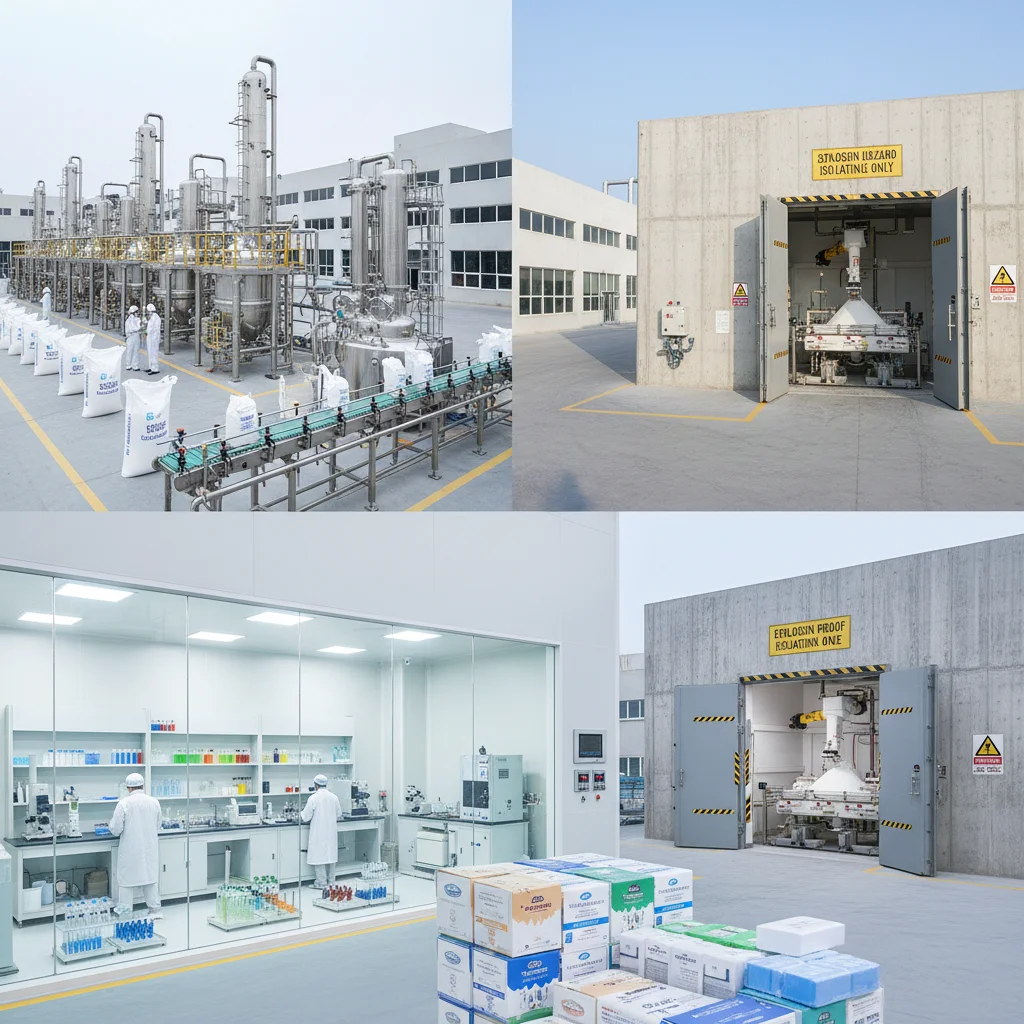
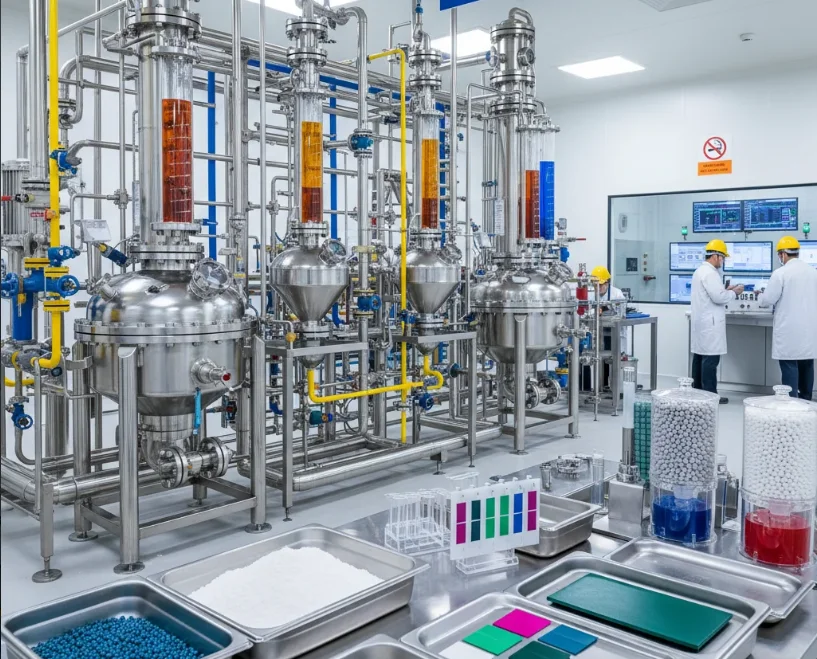
David Miller

David Miller

David Miller serves as the Senior Research Chemist at Leache Chem Co., Ltd., specializing in the development of novel thiophene series products. He joined the company in 2015 after completing his PhD in Organic Chemistry from the University of California, Berkeley. David’s expertise lies in API intermediate synthesis and process
Previous Leading Dichloro 5 5 DimethylHydantoin manufacturer for Industrial and Water Treatment Solutions
Next Expert Dichloro 5 5 DimethylHydantoin exporter for Global Water Treatment Solutions

If you are interested in our products, you can choose to leave your information here, and we will be in touch with you shortly.