Pharmaceutical Intermediates Solutions for South Africa

Pharmaceutical Intermediates Solutions for South Africa

Providing high-quality pharmaceutical intermediates and fine chemicals to the South African market.

Pharmaceutical Intermediates Solutions for South Africa

Offering a comprehensive range of pharmaceutical intermediates, fine chemicals, and specialized chemical solutions tailored for the South African pharmaceutical industry.

Current Landscape of Pharmaceutical Manufacturing in South Africa

An overview of the pharmaceutical intermediates market and the challenges and opportunities within South Africa.

South Africa represents a significant, albeit complex, pharmaceutical market within Africa. The country boasts a relatively well-developed manufacturing base, but is heavily reliant on imports for active pharmaceutical ingredients (APIs) and pharmaceutical intermediates. Geographical factors, including its strategic location for trade and established infrastructure, contribute to its importance as a regional pharmaceutical hub. However, challenges such as economic inequality and access to healthcare present ongoing hurdles.

The climate in South Africa, ranging from arid to subtropical, does not directly impact the manufacturing of fine chemicals but influences infrastructure requirements like water management. The country's economic landscape, characterized by a developing economy and fluctuating currency, creates a need for cost-effective and reliable sourcing of raw materials. Competition from established global suppliers is intense, requiring local manufacturers to prioritize quality and efficiency.

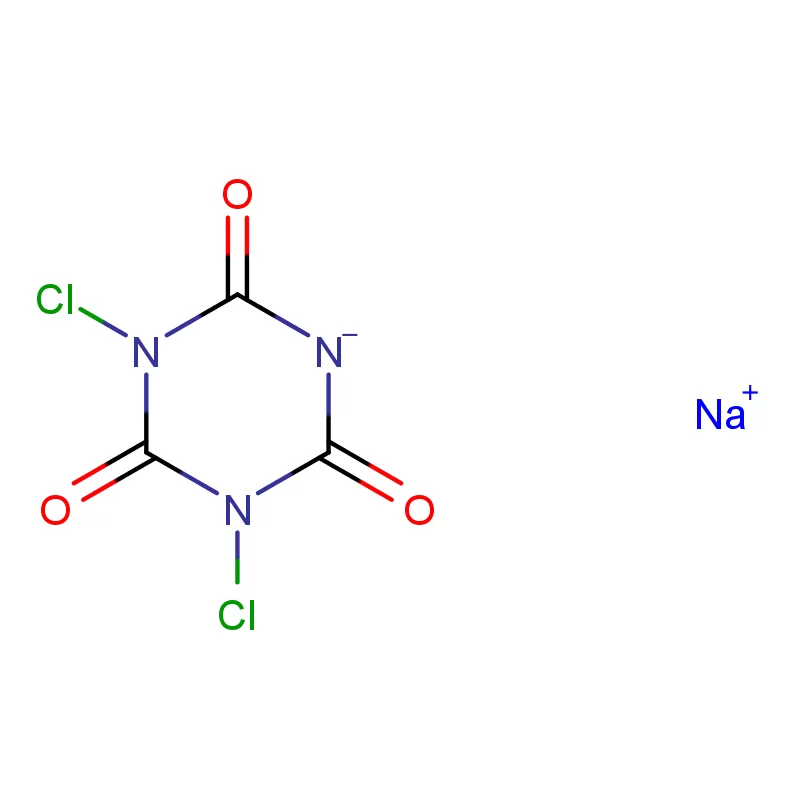
The demand for industrial water treatment chemicals is also increasing in South Africa, due to growing environmental concerns and stricter regulations around wastewater discharge from pharmaceutical production facilities.
Evolution of Pharmaceutical Intermediate Production in South Africa

Tracing the development of pharmaceutical manufacturing and the increasing demand for specialized chemicals.

Market Development History

In the 1980s and 90s, South Africa’s pharmaceutical industry was largely focused on formulation and packaging of imported APIs. The local production of pharmaceutical intermediates was minimal. The early 2000s saw a push for local manufacturing driven by government policies aimed at increasing self-sufficiency and reducing reliance on international suppliers.

The mid-2010s witnessed a rise in contract manufacturing organizations (CMOs) catering to global pharmaceutical companies. This led to increased demand for specialized fine chemicals and intermediates. Investment in research and development also began to grow, albeit slowly.

More recently, around 2020-present, there’s been an increased emphasis on sustainable manufacturing practices and the adoption of green chemistry principles. This has fueled demand for environmentally friendly industrial water treatment chemicals and innovative production processes.

Future Development Trends

Advanced Manufacturing Technologies

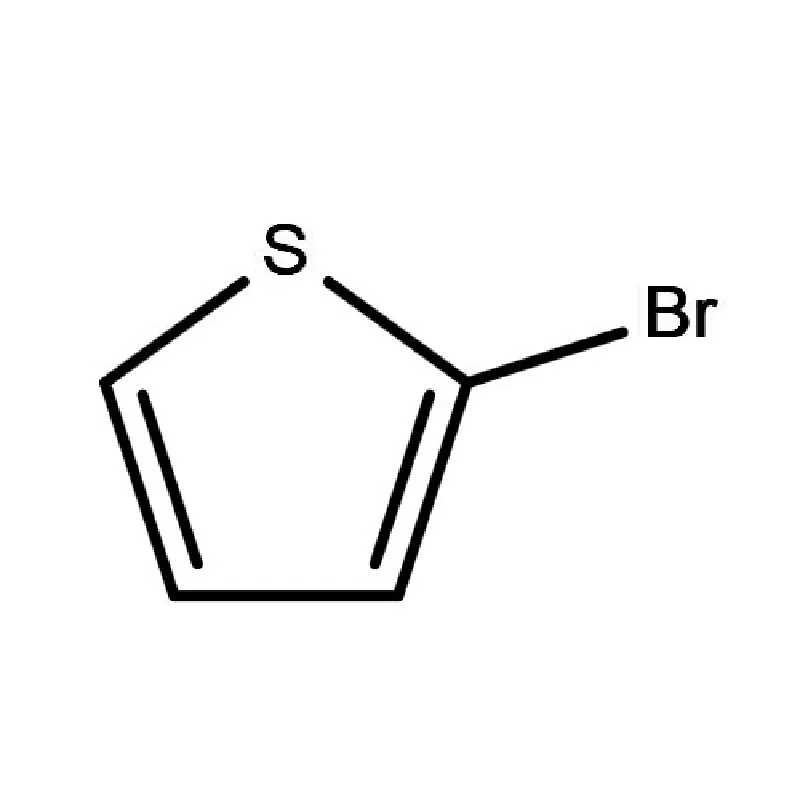
The integration of continuous manufacturing processes and microreactor technology will become increasingly prevalent, enhancing efficiency and reducing waste in the production of 2 Bromothiophene and other intermediates.

Biocatalysis and Green Chemistry

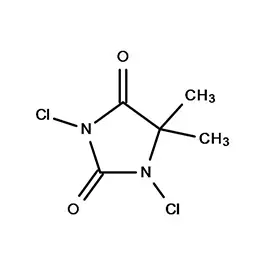
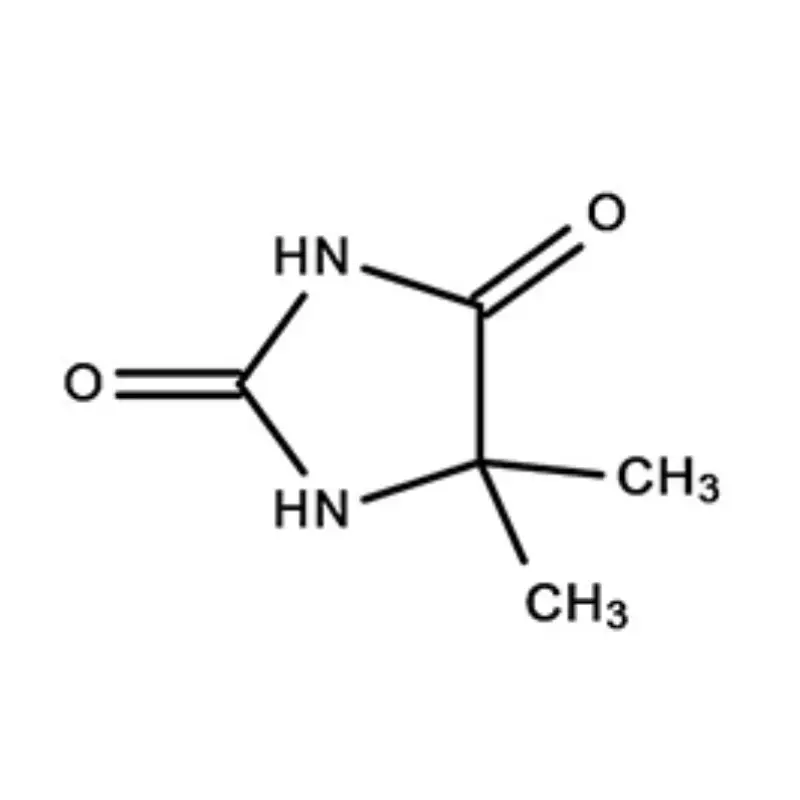
Biocatalysis, utilizing enzymes for chemical transformations, will gain traction as a sustainable and environmentally friendly alternative to traditional chemical synthesis. This will be critical for the development of greener 5 5 Dimethyl Hydantoin production processes.

Digitalization and Automation

The implementation of Industry 4.0 technologies, including artificial intelligence (AI) and machine learning (ML), will optimize production processes, improve quality control, and enable predictive maintenance.

Industry Trends and Future Outlook for Pharmaceutical Chemicals in South Africa

Predicting the future of the pharmaceutical chemical landscape in South Africa and the key drivers of growth.

Increasing Demand for Generic APIs
The growing prevalence of chronic diseases and the increasing demand for affordable healthcare will drive the demand for generic APIs and their corresponding pharmaceutical intermediates.
Focus on Sustainable Manufacturing
Growing pressure from regulators and consumers will necessitate the adoption of sustainable manufacturing practices, including waste reduction and the use of environmentally friendly solvents in fine chemicals production.
Increased Regulatory Scrutiny
Stricter regulations regarding quality control, supply chain transparency, and environmental compliance will drive the need for robust analytical testing and documentation in 2 Bromothiophene manufacturing.
Demand for Water Purification Solutions
The increasing need for efficient and environmentally responsible water management will drive demand for advanced industrial water treatment chemicals in the pharmaceutical sector.

Industry Outlook

The South African pharmaceutical chemical market is poised for moderate growth over the next 3-5 years, driven by factors such as increasing healthcare expenditure, a growing middle class, and the expansion of local manufacturing capabilities.

Companies that prioritize innovation, sustainability, and compliance will be best positioned to succeed in this evolving landscape.

Local Application Scenarios for Pharmaceutical Chemicals in South Africa

Exploring real-world applications of pharmaceutical intermediates and fine chemicals in the South African context.

1. API Production for Antiretroviral Therapies

South Africa has a significant burden of HIV/AIDS, driving the demand for affordable antiretroviral therapies. Local manufacturers require pharmaceutical intermediates to produce generic APIs for these critical medications.

2. Quality Control in Generic Drug Manufacturing

With a growing generic drug market, there's an increased need for high-purity fine chemicals used as reference standards and reagents in quality control laboratories.

3. Wastewater Treatment in Pharmaceutical Plants

Pharmaceutical manufacturing generates wastewater containing various chemical pollutants. Efficient industrial water treatment chemicals are crucial for meeting environmental regulations and protecting water resources.

4. Synthesis of Active Ingredients for Traditional Medicines

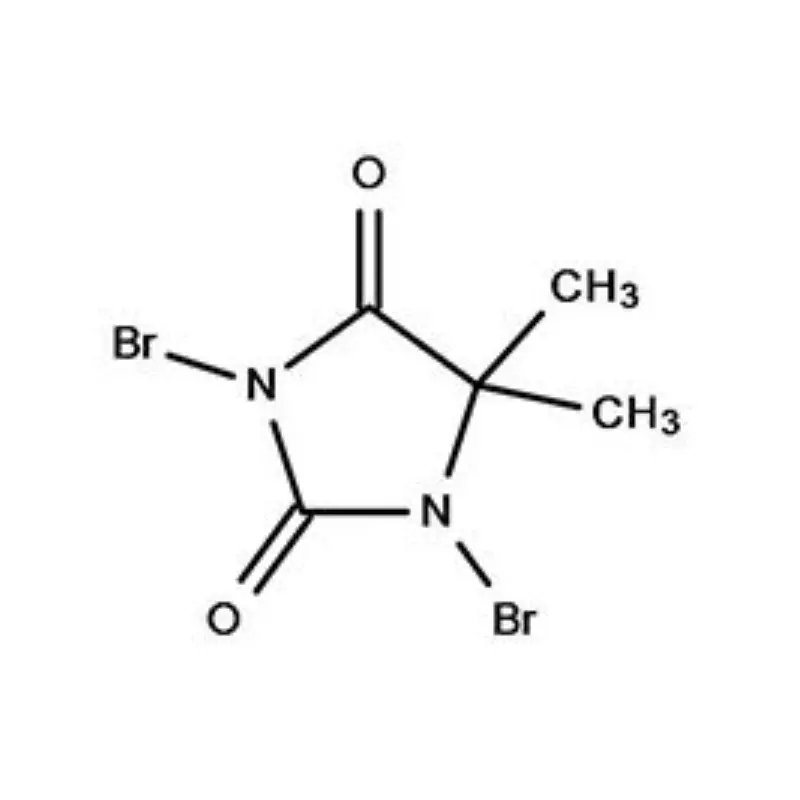
South Africa has a rich tradition of herbal medicine. The pharmaceutical industry is increasingly exploring the potential of incorporating natural products into drug development, requiring specialized 5 5 Dimethyl Hydantoin and other intermediates for synthesis.

Brand Story

The Global Development Journey of Hebei Lishe Chemical Technology Co., Ltd.

Commitment to Quality & Reliability

Since our inception, Hebei Lishe Chemical Technology Co., Ltd. has been dedicated to providing pharmaceutical manufacturers with consistent, high-quality pharmaceutical intermediates.

Focus on Customer Needs

We understand the challenges faced by our customers in South Africa and strive to provide tailored solutions to meet their specific requirements.

Sustainable Manufacturing Practices

We are committed to environmentally responsible manufacturing processes, minimizing waste and reducing our carbon footprint.

Global Supply Chain Expertise

Our robust supply chain ensures reliable and timely delivery of products to our customers in South Africa and beyond.

Innovation and Continuous Improvement

We continuously invest in research and development to improve our products and processes, staying ahead of industry trends.

Complete Product Portfolio for the Region

A wide range of chemical products tailored to the needs of the South African pharmaceutical industry.

Frequently Asked Questions About Pharmaceutical Intermediates in South Africa

Addressing common questions regarding the sourcing, quality, and application of pharmaceutical chemicals.

What are the key regulatory requirements for importing pharmaceutical intermediates into South Africa?

Importing pharmaceutical intermediates into South Africa requires compliance with the regulations set forth by the South African Health Products Regulatory Authority (SAHPRA). This includes documentation such as Certificates of Analysis, Material Safety Data Sheets (MSDS), and import permits.

How can I ensure the quality and purity of the pharmaceutical intermediates I purchase?

Selecting a reputable supplier with a strong quality control system is crucial. Look for suppliers who are ISO 9001 certified and provide comprehensive Certificates of Analysis for each batch of fine chemicals.

What is the typical lead time for delivering pharmaceutical intermediates to South Africa from overseas?

Lead times can vary depending on the origin of the shipment and the mode of transport. Generally, sea freight takes 4-8 weeks, while air freight takes 3-7 days. Customs clearance procedures can also add to the overall delivery time.

What are the best practices for storing pharmaceutical intermediates to maintain their stability and potency?

Store 2 Bromothiophene and other intermediates in a cool, dry, and well-ventilated area, away from direct sunlight and incompatible materials. Follow the storage instructions provided on the MSDS.

How can industrial water treatment chemicals help pharmaceutical manufacturers in South Africa?

Industrial water treatment chemicals are essential for removing pollutants from pharmaceutical wastewater, ensuring compliance with environmental regulations and protecting water resources. They help reduce the environmental impact of pharmaceutical manufacturing.

What is the role of 5 5 Dimethyl Hydantoin in pharmaceutical synthesis?

5 5 Dimethyl Hydantoin is a versatile chemical intermediate used in the synthesis of various pharmaceutical compounds, including antiseptics, disinfectants, and preservatives.

Get in Touch with Us

We are dedicated to supporting pharmaceutical manufacturers in Africa - South Africa with high-quality chemical solutions.

Contact Us Now

If you are interested in our products, you can choose to leave your information here, and we will be in touch with you shortly.