HighQuality pharmaceutical intermediates for Libya’s Growing Pharma Sector

High-Quality pharmaceutical intermediates for Libya's Growing Pharma Sector

Providing reliable chemical solutions for pharmaceutical manufacturing and industrial applications in Libya and across Africa.

High-Quality pharmaceutical intermediates

Offering a comprehensive range of pharmaceutical intermediates and fine chemicals tailored for the Libyan market.

Libya's Pharmaceutical Landscape: Challenges and Opportunities

An overview of the current state of the pharmaceutical industry in Libya, focusing on raw material needs and local demand.

Libya’s pharmaceutical industry is currently undergoing a period of rebuilding following years of instability. The demand for pharmaceutical intermediates is driven by the need to restore local manufacturing capabilities and reduce reliance on imports. The arid climate presents logistical challenges for storage and transport, increasing the demand for stable and high-quality chemical inputs. Access to consistent supply chains is a significant concern.

The local economy, heavily reliant on oil revenue, impacts the purchasing power for healthcare and pharmaceutical products. Despite these challenges, there's a growing recognition of the importance of a robust domestic pharmaceutical sector. The need for fine chemicals is steadily increasing as the industry attempts to meet the healthcare needs of the population.

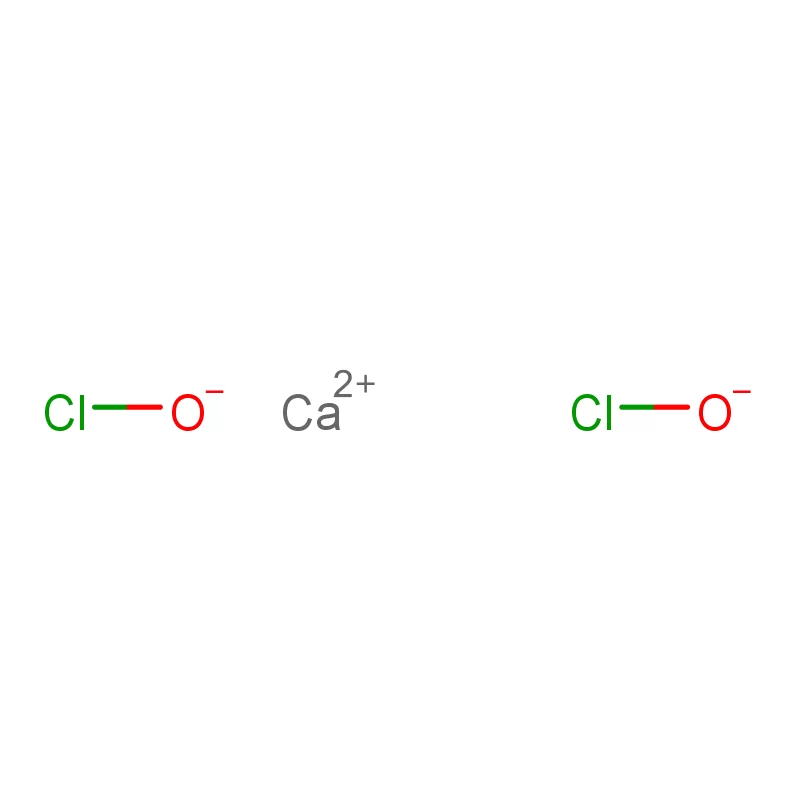
Water scarcity in Libya poses unique demands for industrial water treatment chemicals, essential for maintaining the hygiene standards required in pharmaceutical manufacturing facilities. Investing in sustainable water management solutions is becoming increasingly crucial for the industry’s long-term viability.
Evolution of Pharmaceutical Manufacturing in Libya

Tracing the historical development and technological advancements in Libya's pharmaceutical sector.

Market Development History

Prior to the 2011 revolution, Libya had a relatively well-developed pharmaceutical industry, largely state-controlled. The focus was primarily on producing generic medications. The subsequent period of conflict severely disrupted supply chains and damaged infrastructure. In the early 2000s, there was a push towards modernization, including the adoption of GMP standards.

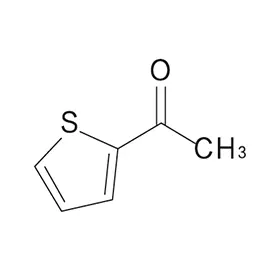
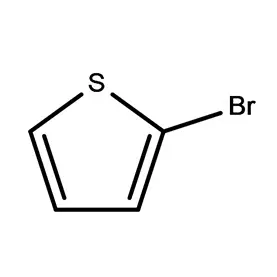
From 2010 to 2020, the Libyan pharmaceutical sector experienced significant setbacks due to political instability. However, post-conflict, there's a renewed effort to attract foreign investment and rebuild local manufacturing capacity. The demand for specialty chemicals, including 2 Bromothiophene, is growing due to its applications in drug synthesis.

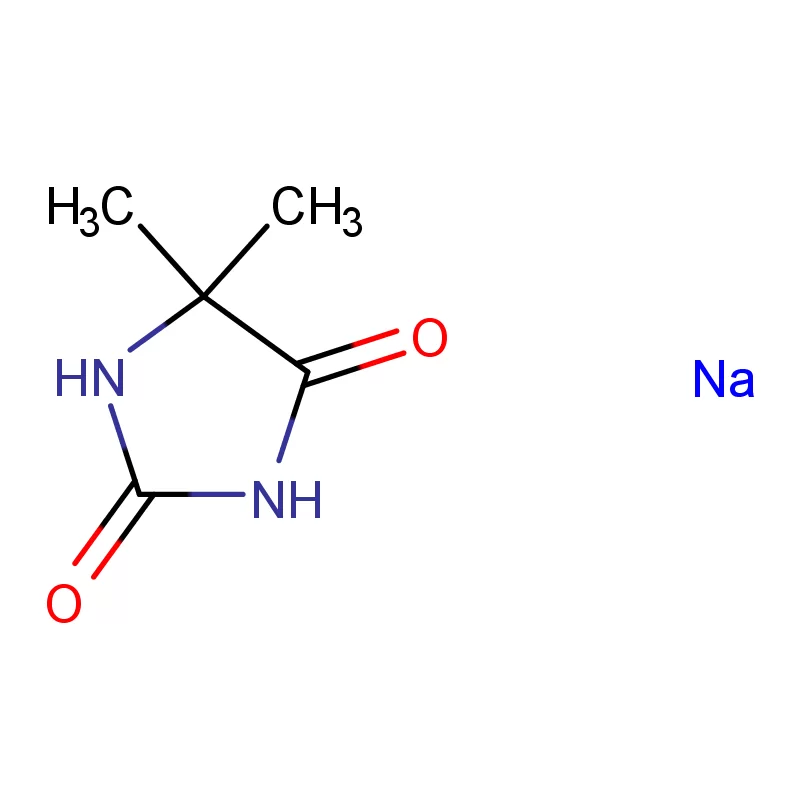
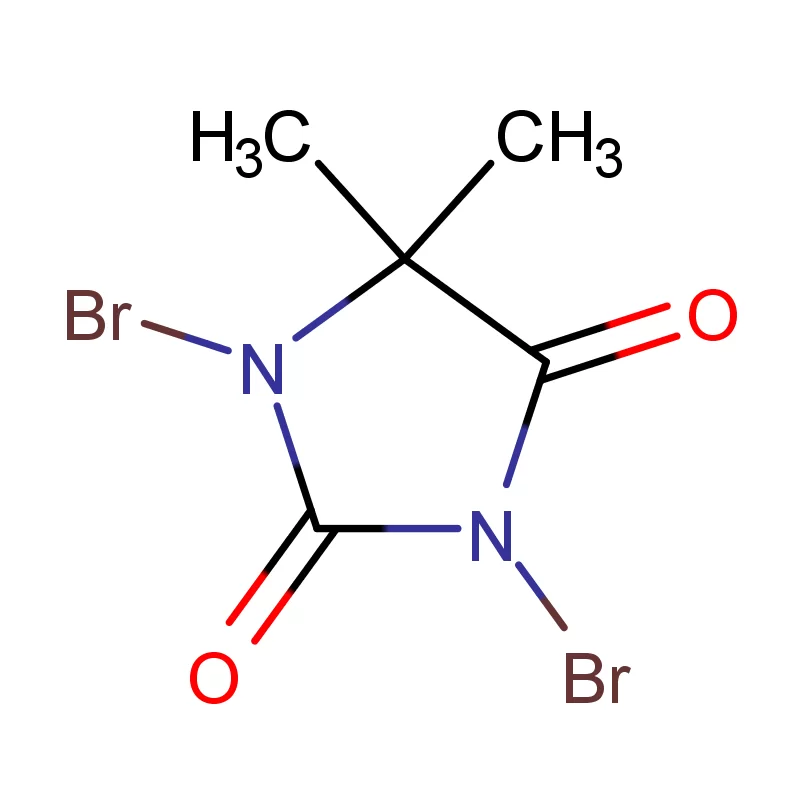
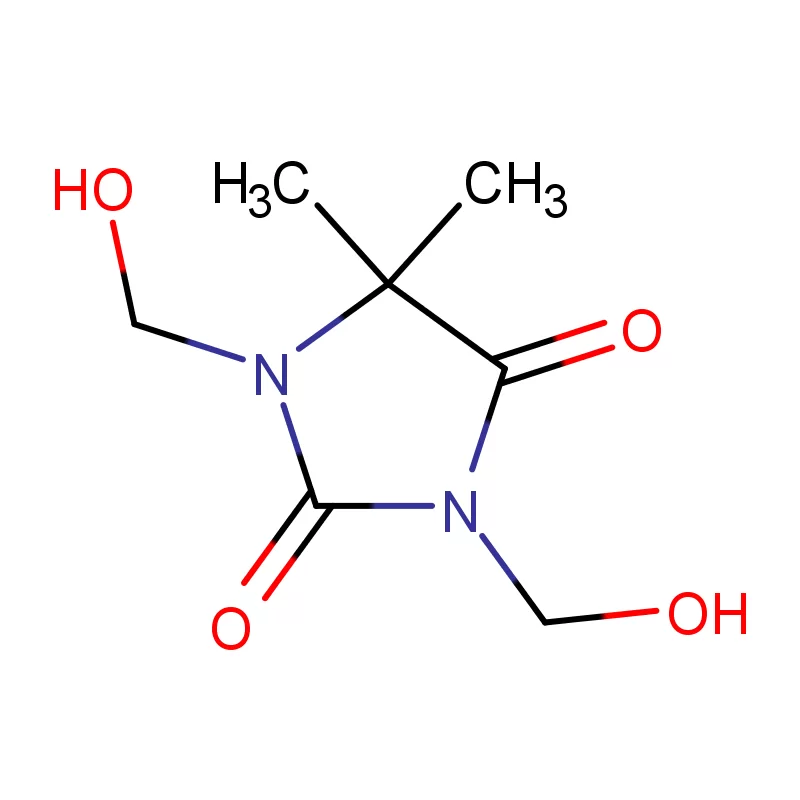
More recently (2021-2024), we’ve seen increased emphasis on quality control and regulatory compliance. Libyan authorities are working to align with international standards. The awareness of using 5 5 Dimethyl Hydantoin has increased due to its role in pharmaceutical formulations.

Future Development Trends

Advanced Manufacturing Techniques

The adoption of continuous manufacturing processes will likely increase efficiency and reduce production costs in the coming years.

Focus on Biopharmaceuticals

We anticipate a growing interest in biopharmaceutical production, necessitating specialized chemical inputs.

Sustainable Practices

Environmental regulations will likely become stricter, driving demand for eco-friendly chemical solutions and efficient industrial water treatment chemicals.

Industry Trends and Future Outlook for Libyan Pharmaceuticals

Exploring emerging trends and predicting the future of the pharmaceutical industry in Libya.

Increased Demand for Generic Drugs
Economic factors will continue to drive demand for affordable generic medications, requiring a reliable supply of pharmaceutical intermediates.
Growing Focus on Quality Control
Stricter regulatory oversight will necessitate high-purity fine chemicals and adherence to international GMP standards.
Water Management Solutions
Increasing water scarcity will drive demand for effective industrial water treatment chemicals in pharmaceutical manufacturing plants.
Rising Need for Specialized Intermediates
Increased complexity in pharmaceutical formulations will drive demand for niche 2 Bromothiophene and other specialized intermediates.

Industry Outlook

The Libyan pharmaceutical industry is poised for growth, driven by reconstruction efforts and increasing healthcare investment. However, challenges remain in terms of infrastructure, regulatory compliance, and skilled labor.

Strategic partnerships with international suppliers, like Leache Chem, will be crucial for ensuring a stable and high-quality supply of essential chemical intermediates. Focusing on sustainable practices and adhering to international quality standards will be key to long-term success.

Local Application Scenarios in Libya

Specific applications of our chemical products within Libya's pharmaceutical and industrial sectors.

1. Manufacturing of Essential Generics

Our pharmaceutical intermediates are vital for local manufacturers producing essential generic medications, addressing critical healthcare needs.

2. Water Purification in Pharmaceutical Plants

Our industrial water treatment chemicals ensure the purity of water used in pharmaceutical production, maintaining hygiene standards.

3. API Synthesis for Local Drug Production

Supplying fine chemicals used in the synthesis of Active Pharmaceutical Ingredients (APIs), supporting the growth of local drug manufacturing.

4. Research and Development

Providing researchers with high-quality 2 Bromothiophene and other intermediates for drug discovery and development initiatives.

Brand Story

The Global Journey of Hebei Leishe Chemical Technology Co., Ltd.

Commitment to Quality

From our inception, Leache Chem has been dedicated to providing consistently high-quality chemical products.

Customer-Centric Approach

We prioritize understanding and meeting the unique needs of our clients.

Global Reach, Local Expertise

We combine a global supply network with localized support to serve clients worldwide.

Innovation and Sustainability

We are committed to continuous innovation and environmentally responsible practices.

Reliable Partnership

We strive to be a trusted and reliable partner for our clients' chemical sourcing needs.

Complete Product Portfolio for the Libyan Region

A comprehensive selection of chemicals tailored to meet the demands of the Libyan market.

Frequently Asked Questions - Libya

Answers to common questions regarding our products and services in the Libyan market.

What is the typical lead time for delivery to Libya?

Lead times vary depending on the product and shipping destination within Libya, but typically range from 4-8 weeks.

Do you offer custom synthesis of pharmaceutical intermediates?

Yes, we provide custom synthesis services tailored to your specific requirements.

What quality certifications do your products have?

We are ISO 9001 certified and our products meet relevant international quality standards.

What is your policy on handling hazardous chemicals during shipping to Libya?

We adhere to strict international regulations for the safe handling and transportation of hazardous materials.

Can you provide documentation compliant with Libyan import regulations for 5 5 Dimethyl Hydantoin?

Yes, we can provide all necessary documentation to ensure smooth import clearance.

Do you have a local distributor or representative in Libya?

We are currently establishing partnerships with local distributors in Libya to better serve our customers.

Get in Touch with Us

We are dedicated to providing chemical solutions for your pharmaceutical and industrial needs in Libya.

Contact Us Now

If you are interested in our products, you can choose to leave your information here, and we will be in touch with you shortly.